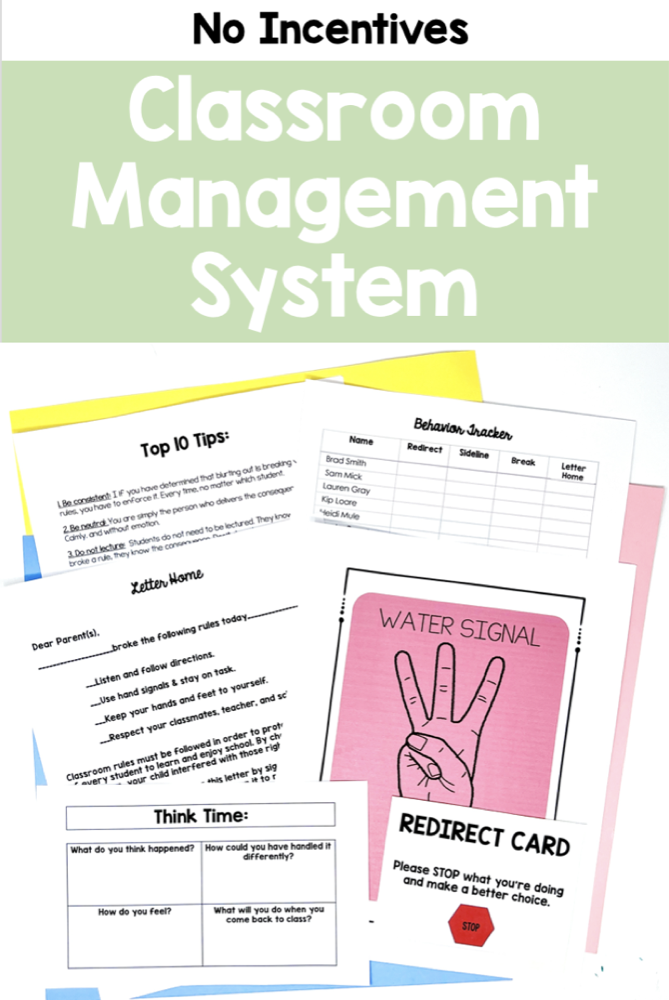
A No Nonsense Approach to Classroom Management

Are you feeling frustrated with classroom management? Are you tired of spending money on rewards that don't seem to work? Do you find yourself constantly giving out points and struggling to find the time to teach? If so, it's time to explore a more effective way to manage your classroom.
Before we dive into it, I want you to know that I've been there too. I used to rely on constant dojo points and elaborate rewards, but it left me feeling exhausted. However, I found a better approach, and you can too.
Classroom management is like a three-pillar system that supports your teaching. Each pillar is essential, and they all work together to create a successful learning environment. Today, we'll focus on the first pillar: classroom management. For a comprehensive training on all three pillars, check out my course here.
To revolutionize your classroom management, start with a solid plan. Many teachers struggle because they don't have a consistent system in place. It's mentally draining to make decisions on the spot every time a student misbehaves. Instead, adopt a predictable plan that turns you into a referee rather than a constant decision-maker. The key is to believe in the importance of creating a structured classroom environment where rules are followed. As a teacher, your primary responsibility is to protect this learning environment. How? By setting clear classroom rules and consistently addressing rule violations. When your students see your commitment to maintaining a conducive learning space, they will rise to meet your expectations.
When it comes to the rules, keep it simple. Choose rules that cover a broad range of misbehaviors. Here are some examples:
- Listen and follow directions.
- Use hand signals.
- Stay on task.
- Keep your hands to yourself.
- Respect your classmates, school, and teacher.
Regardless of the rules you choose, ensure that your students truly understand them. Don't just post the rules and forget about them. Expect your rules to be followed, and take action when necessary.
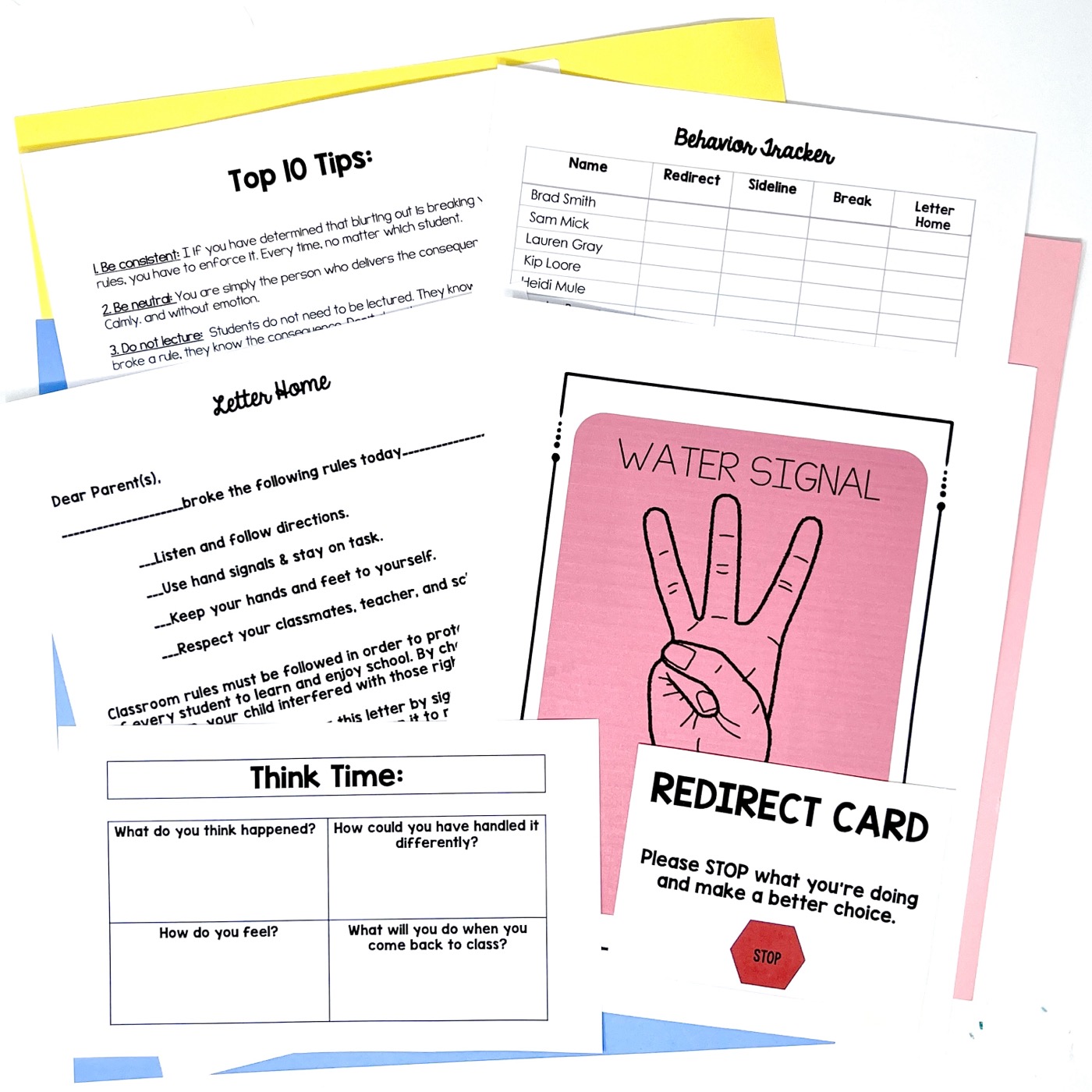
Think of your rules as a sturdy fence surrounding your classroom. It must be unwavering. When students test the boundaries, consequences play a crucial role. Every time a student crosses those boundaries or breaks a rule, apply a consequence. Here are four examples of consequences you can use:
- Redirect (a verbal warning)
- Sideline (a break in the classroom, but away from the group)
- Break (a break outside the classroom, with a reflection form)
- Parent contact
Now, you might be wondering, what makes this approach truly effective? The answer is simple: it works. When you consistently implement this system, you'll see positive changes in behavior. Plus, it takes the burden off your shoulders. No more constant point-giving and rewards for basic behavior. It's not only exhausting, but it's also unfair. Some students get overlooked because they consistently behave well, while others receive rewards for brief moments of good behavior. In the long run, this approach doesn't create lasting change.
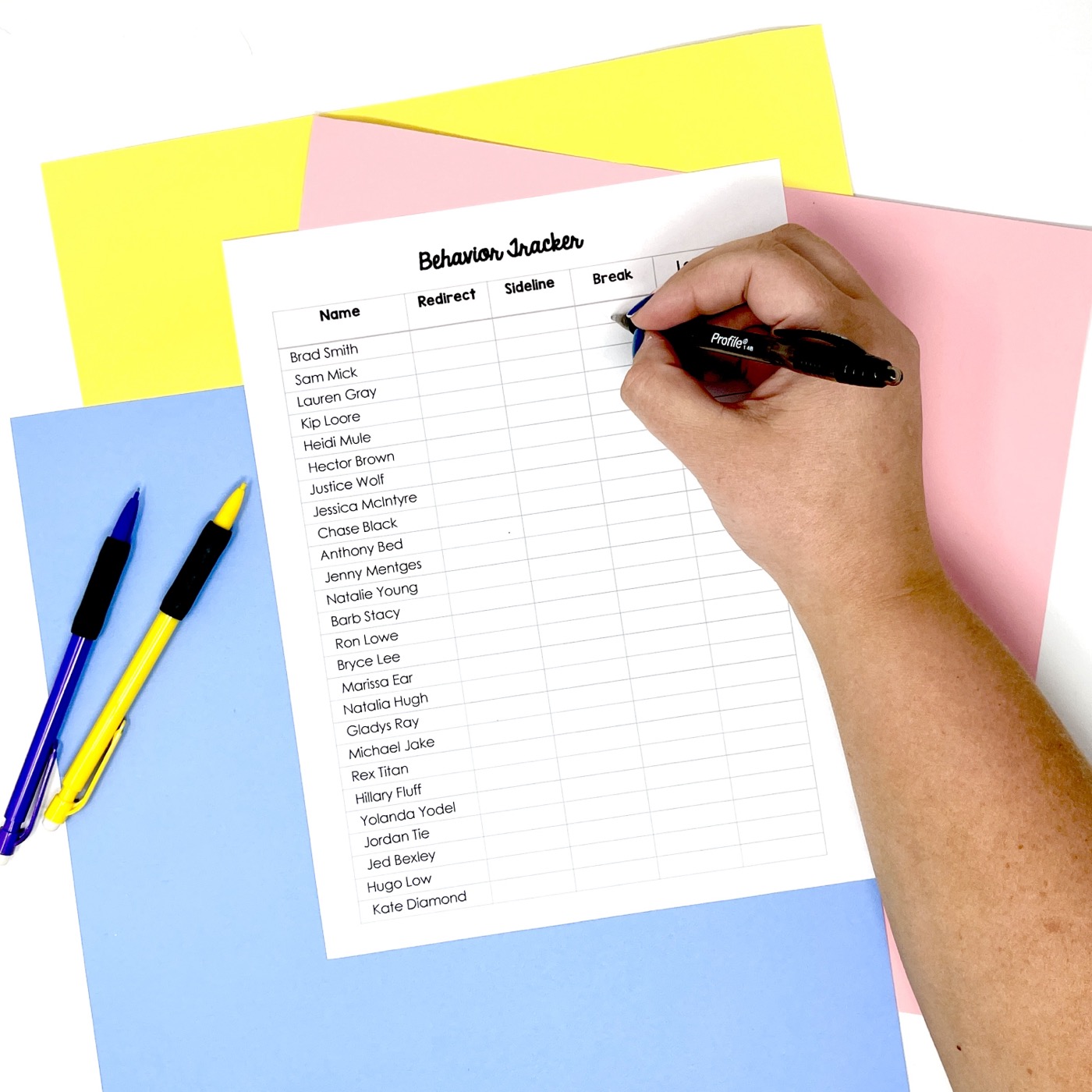
If you're ready to embrace a more effective and no-nonsense classroom management style, start with simple rules, clear consequences, and consistent follow-through. Trust that your students will rise to meet your expectations when they know the boundaries and the consequences of crossing them. You've got this! Dive in and discover more about my management system here. You'll find helpful printables and video training. If you need extra support, consider enrolling in my 3 Pillars of a Classbloom course. With this training, you'll have the confidence to create the best learning environment for your students.
Looking for more tips and tricks when it comes to classroom management, student engagement, and building a classroom of strong relationships? Make sure to find me on instagram here.